
Basic kitchen skills
I don’t know about you, but I’m always looking to learn new skills that make life easy in the kitchen. Sharing is caring so I’m sharing my little I don’t know about you, but I always want to learn new skills that make life easy in the kitchen. Sharing is caring, so I’m sharing my little tips, tricks and hacks with you.
It may surprise you, but blunt knives are dangerous. Why? Dull knives require more pressure to cut and are far more likely to slip and end up cutting you.
Keeping your knives sharp is important, and so is investing in a sharpener to keep your knives in top condition.
Firstly, let’s talk about honing and sharpening.
Honing involves steel. It is how you straighten and centre the edge of your knife. It doesn’t sharpen the knife; it just corrects it.
Sharpening involves filing the knife’s edge to create a sharp edge; you can use a water stone or a sharpener.
So why do you need a sharp knife? Are blunt knives really more dangerous?
The answer is yes and yes. Sharp knives cut into food, so it will not slide off, so you need less pressure to cut, which also means the blade won’t move around and is far less likely to end up needing a plaster or stitches.
Keeping the edge of your blades sharp means that you need less force to cut, which is excellent.
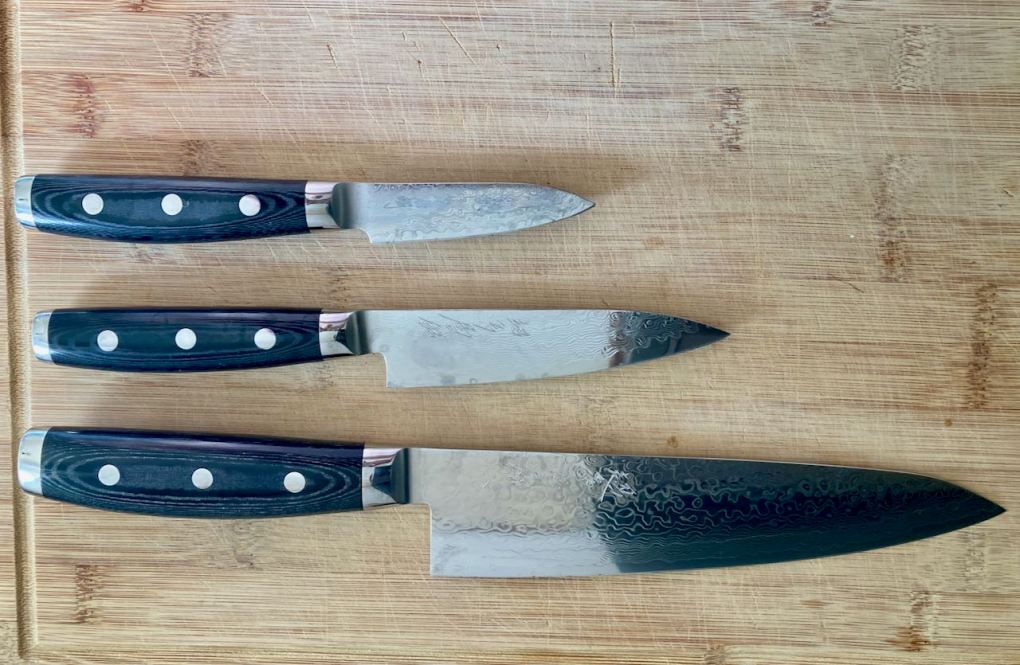
Which sharpener is best for you?
When you choose a sharpener, you should look for the best one you can afford, find one that suits your needs and is easy to use. If you are like me and use your knives daily, having an easy and fast sharpener is important.
Before you choose a sharpener, knowing what options are available to you is good.
- Manual knife sharpeners
- Electric knife sharpeners
- Sharpening stones
Manual knife sharpeners
These come in many different shapes and sizes; some are used horizontally or vertically, and they generally require little effort. You only need to pull the knife through the sharpener to straighten the blade and leave the knife edge sharp.
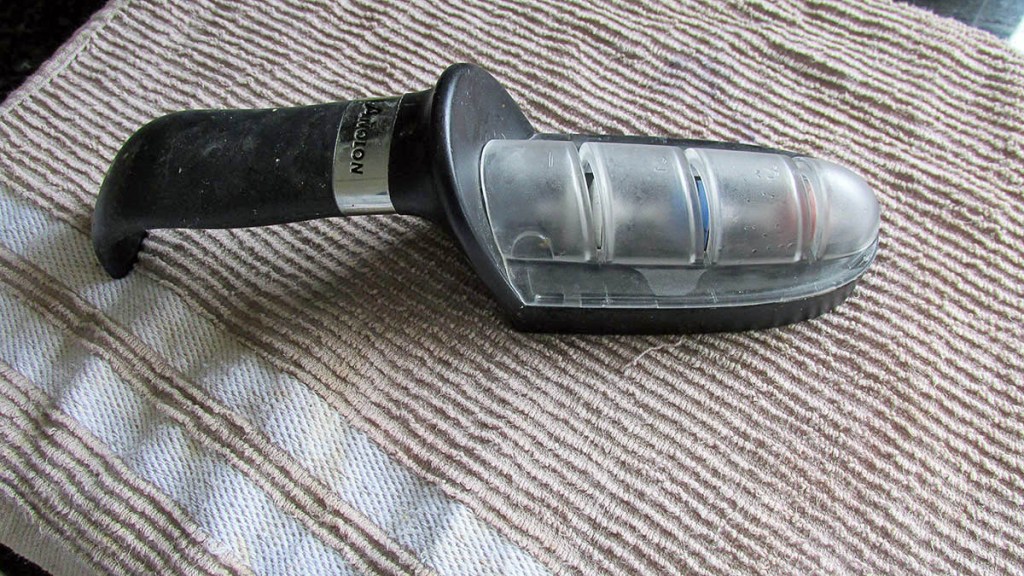
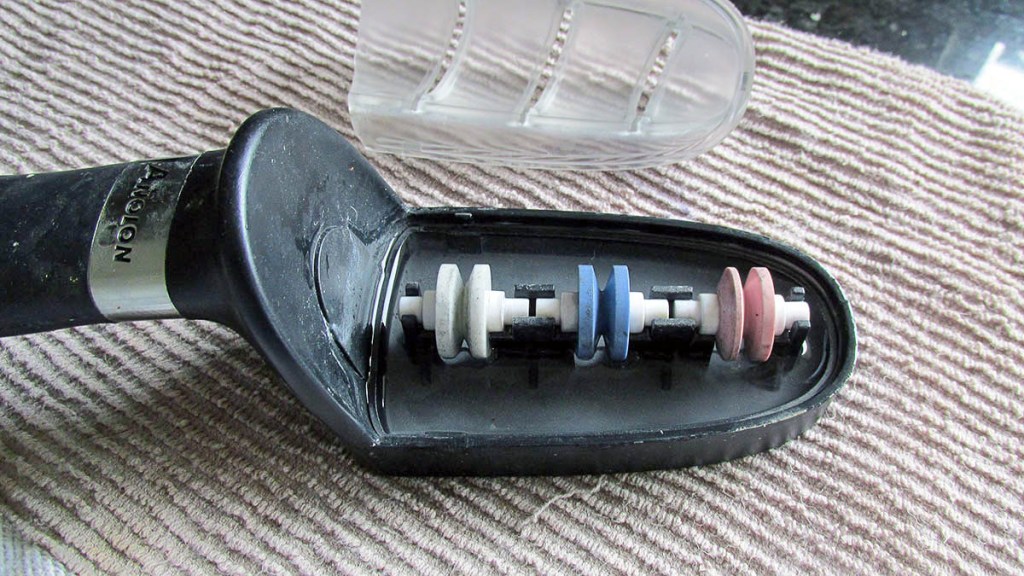
Electric knife sharpeners
Some people believe that electric sharpeners are the best option for sharpeners. Here in New Zealand, most of the electric sharpeners are expensive and can be found in hunting and fishing stores. Electric sharpeners are a great option if you have a little more money to spend and want a hassle-free sharpening experience.
Whet stone
There is a broad range of sharpening stones available; they are like sandpaper, and different grits give you different finishes. Using a stone to sharpen your knives takes some skill, so it will take time and practice to sharpen your knives.
Before you buy a sharpener, make sure you are getting something that will suit your needs and your budget.
Here are some of the options available here in New Zealand:
- Manual sharpener Cuisine::pro Wolfgang Starke Knife Sharpener
- Manual sharpener Knife Sharpener With Suction Base
- Electric sharpener Electric Knife Sharpener
- Whetstones https://shun.kaiusa.com/sharpening-honing.html
So what else do you need to know about caring for your knives?
Cut on the right surface
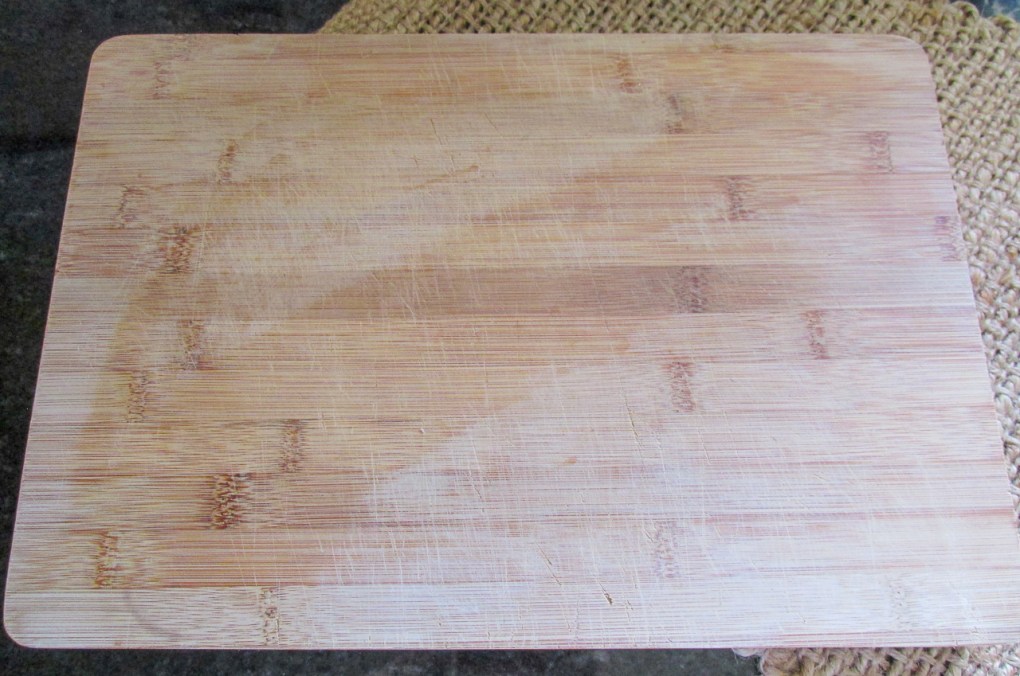
Another important thing to remember about keeping your knives in good condition is to make sure you use them on the right surfaces. Never use glass, metal, or hard plastic cutting boards, and never chop directly on your countertop. That is a sure way to ruin your knives. Using the right surface will protect the edge of your blades and prevent damage to your countertop.
Washing and drying your knives
After using your knives, washing and drying them is a significant step. If you have gone through the effort to protect your knife-edge and ensure it is sharp, you don’t want your knives bashing around in the dishwasher or rolling around in the sink with the dishes. I recommend you hand wash each of your knives in hot, soapy water and dry them straight away; this will prevent the blades from getting bashed around in the sink or the handles from warping in the dishwasher. If you use a dishwasher to clean your knives, put them in the top of the dishwasher, and make sure that they will not bang around while the dishwasher is running.
How to store them
Whatever you do, don’t put your knives next to other utensils; this will damage them. I recommend that you store your knives in a knife block to keep them separated and protected. If you are going to store your knives in a drawer, it is a good idea to put them in protective sheaths. You can buy these or make your own from cardboard.
 Easy Clean Eats